
How to Choose the Right Natural Food Color Manufacturer for Your Business
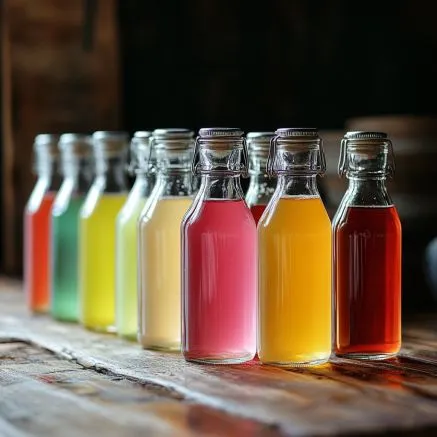
The selection of the appropriate ingredient partner is a crucial step for food and beverage manufacturers as they create a naturally coloured product. A quality natural food color manufacturer can also offer a lot more than individual ingredients, as they are able to assist businesses in understanding the various sources of color, color formats, applications and formulation requirements. In situations where a product requires a specific color in addition to having specific processing and production requirements, such support can be particularly beneficial.
Start With Your Product Requirements
The first step is to start with the final product. The color needs of a beverage manufacturer can be different from those of a confectionery, dairy product, baked goods or frozen dessert manufacturer.
Prior to ordering from a supplier, check the following: shade desired, food use, processing options, anticipated pH, storage requirements, etc. In addition, it is helpful to understand if the color will be subjected to high temperatures, lighting or other production processes. This information can help facilitate discussions with ingredient experts.
Look at Available Natural Color Sources
Natural food colors can be derived from various raw materials. Vegetable dyes such as beetroot, turmeric, annatto, black carrot, spirulina, and others can provide various colors and formulations.
Every ingredient has its own set of advantages and usage guidelines. For instance, a source that is good for bright yellow may not be so good for red, orange, purple or blue applications. Checking a few options will help manufacturers select a color that will work both aesthetically and with a food formulation.
Evaluate Technical Support
Technical advice can be a key component of selecting a color ingredient partner. Depending on the formulation, pH, heat exposure, processing conditions, dosage and other ingredients, the performance of food color may vary.
With the knowledge and expertise of a technical team, manufacturers can determine what these factors mean before making a final selection. They can also assist in determining an appropriate color format and giving some recommendations on the various applications.
This kind of partnership might be particularly helpful to companies that are engaged in developing a new product or tweaking a current formulation. Developers should take into account the color’s anticipated performance during production and storage rather than just its appearance.
Consider Color Formats and Applications
Food colors might come in various forms such as powder or liquid. The preferred format may vary based on production method, equipment, formulation and method of incorporation.
Powdered ingredients may be suitable for some dry mixes and processing systems; liquid ingredients are suitable for applications where dispersion control is important. When formulating, manufacturers need to consult with their ingredient partner to determine the most appropriate format for their production system.
Experience in applying the applications is also useful. Formulation considerations may vary between drinks and candy/ice cream. A supplier who has a wide range of application knowledge will have a better understanding of the possibilities and solutions that are available.
Assess Product Consistency and Quality
For commercial food production, consistency is important! Manufacturers usually require ingredients that can give a consistent look within a production run.
Some of the criteria a business may use to assess Food Color Suppliers include the documentation available, technical communication, the formats of the products, specifications of ingredients, and application support. These details can be useful for buyers to find out if a supplier is able to provide them with what they need to meet their production needs.
It’s also important to talk about sample availability before scaling up to larger quantities. A real-life sample of the color is best for gauging color appearance, handling and suitability.
Think About Long-Term Supply Needs
For an ingredient that is to be used on a regular basis in a product, it is important to consider long-term supply planning from the outset. Businesses can talk to potential suppliers about the quantities, packaging, lead times and expected production volumes.
This is especially helpful for businesses that are planning to scale a successful product. Businesses can plan sourcing ingredients, as volumes grow, by working with a supplier who has a commercial production understanding.
Good communication can also help to ensure smoother product development. Providing details of the application, production volume and color preference can assist both parties in finding the right solution quickly.
Build a Practical Selection Process
Choosing a natural food color manufacturer shouldn’t be a difficult task. First of all, determine the product specifications, find out possible natural color sources, discuss technical issues, and get some samples for actual testing. Once there, manufacturers can analyze the data and select the ingredient that is best suited for their production needs.
By carefully choosing color, the color can be integrated into the product design process and is not an imposed add-on. It also provides a better basis for food and beverage development teams to build upon for visually pleasing and consistent food and beverage products.
Conclusion
The right ingredient partner can add valuable knowledge at every step of the natural color development process, from determining the appropriate source to assessing application performance. Manufacturers can make a better informed decision by taking into account technical support, color formats, quality information, samples and long-term supply. If you’re looking at natural color solutions for your next commercial product, check out foodrgb.com to learn about choices and meet a team that can help you meet your formulation objectives.


